



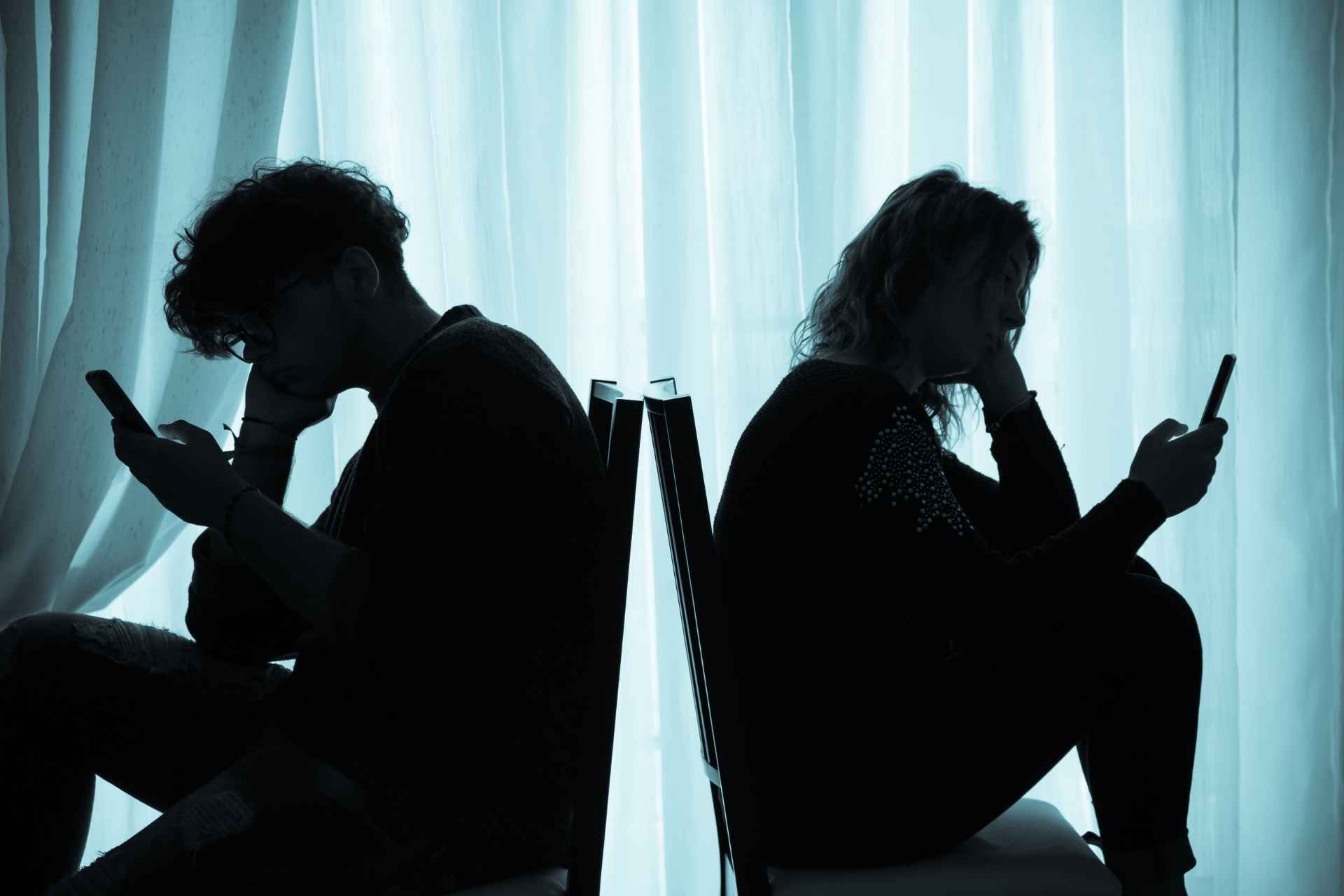
Social isolation and mental health are closely connected. Limited social contact can affect emotional well-being and make daily stress harder to manage. Mental health treatment in Athens, GA can help when symptoms begin affecting daily life.
If isolation comes with ongoing worry or tension, understanding the difference between chronic stress and anxiety may help you recognize when additional support could be useful.
Why Social Connection Matters for Mental Health
Relationships offer emotional support, practical help, and perspective during difficult periods. Social connection doesn’t require a large friend group; a few dependable relationships can provide meaningful support.
The Centers for Disease Control and Prevention identify social isolation and loneliness as public health concerns. The amount of contact a person needs varies with their preferences, circumstances, and support system.
How Isolation Affects the Mind and Body
Isolation affects people differently. Its impact may depend on how long it lasts, whether it’s voluntary, and what support a person has.
Psychological Effects of Social Isolation
Limited social contact may contribute to low mood, persistent worry, or increased stress. Without opportunities to talk through concerns, some people spend more time dwelling on difficult thoughts.
Isolation can also make existing symptoms harder to manage. Depression, for example, may reduce the energy someone has for relationships, while withdrawing can limit opportunities for support. Depression treatment may help when symptoms persist or disrupt daily life.
Physical Health Effects of Isolation
In some cases, social isolation has been associated with the following:
- Cardiovascular problems
- Cognitive decline
- Earlier mortality
A 2023 review of 90 studies found that social isolation and loneliness were each linked to a higher risk of early death. This doesn’t mean isolation will lead to illness in every person, though. Isolation may also cause:
- Sleep disruptions
- Lack of energy
- Disruption of daily routines
These symptoms can make it harder to maintain healthy habits.
Isolation vs. Loneliness: What’s the Difference?
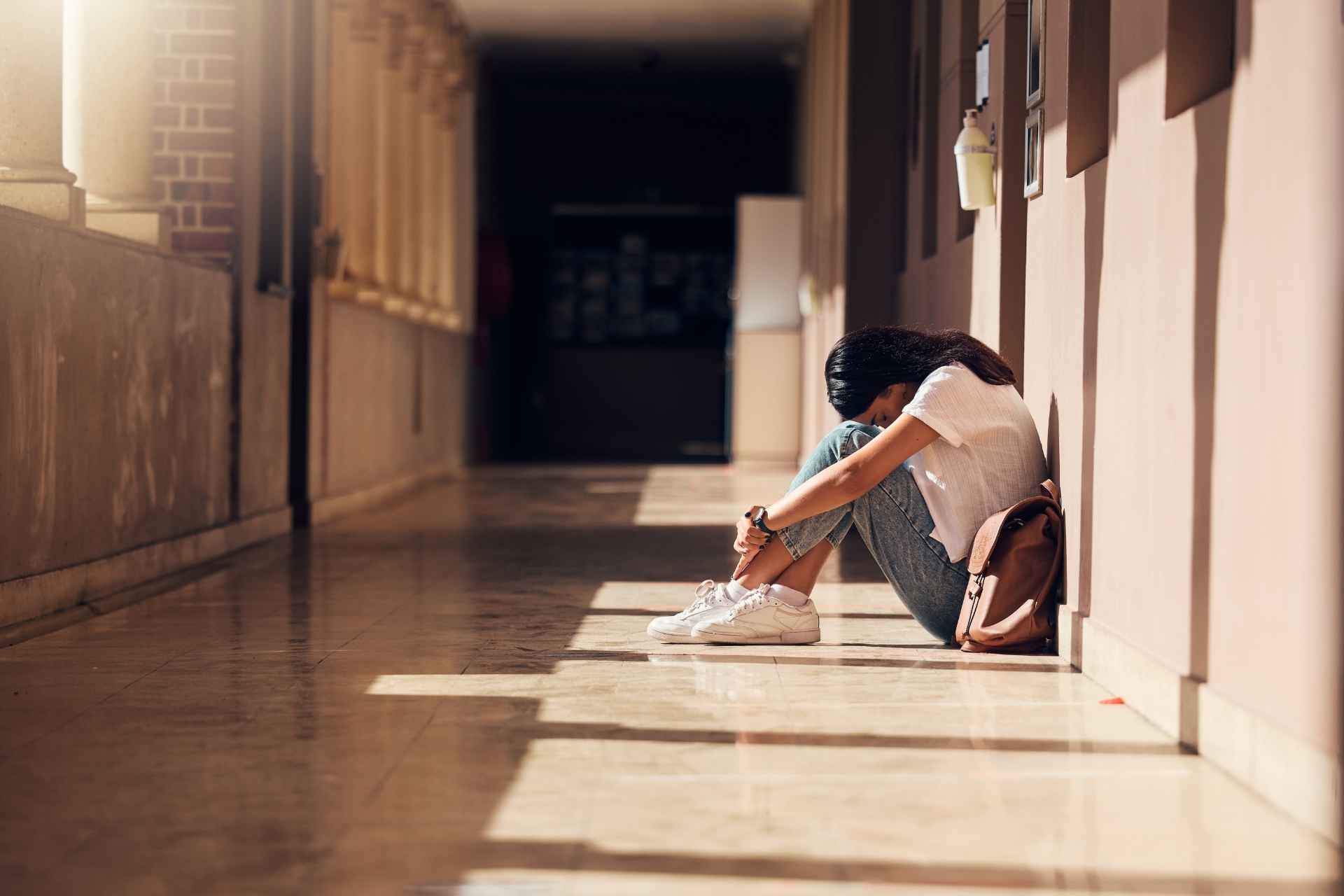
Social isolation means having limited social contact or relationships. Loneliness is the feeling that your relationships don’t provide the connection you need.
The experiences can overlap, but they’re not the same. Someone who lives alone may feel content, while a person who sees friends often may still feel misunderstood and disconnected.
Someone experiencing isolation may want more opportunities to interact. Someone experiencing loneliness may be looking for closer, more satisfying relationships.
What Can Cause Social Isolation?
Isolation may develop gradually or follow a major life change. Common signs include:
- Life transitions: Moving, changing jobs, becoming a parent, or retiring can disrupt familiar routines.
- Grief: Bereavement may change a person’s social circle or make contact feel difficult.
- Mental health symptoms: Depression or anxiety can make social interaction feel tiring or intimidating.
- Health or access barriers: Chronic illness, disability, transportation, or inaccessible spaces can limit opportunities to connect.
- Work and caregiving: Remote work, caregiving duties, or limited free time may reduce regular contact.
Plenty of people go through these changes and stay connected. If you feel more alone than you’d like, though, that’s worth taking seriously.
Signs Social Isolation May Affect Well-Being
Possible signs include:
- Regularly declining invitations or avoiding people they used to see
- Losing interest in hobbies or community activities
- Feeling disconnected during social interactions
- Struggling to maintain everyday routines
- Experiencing persistent sadness, worry, or irritability alongside withdrawal
These signs don’t establish a diagnosis. If changes persist or interfere with work, relationships, or self-care, a professional evaluation can help clarify what’s happening. Common questions about mental health treatment can help you understand what seeking care may involve.
How to Rebuild Connection After Isolation
Start with small steps that fit your energy and schedule:
- Contact one person. Send a message, make a short call, or suggest a low-pressure visit.
- Choose a regular activity. A class, volunteer role, hobby group, or community event creates chances to meet people.
- Set realistic expectations. Begin with manageable interactions rather than overcommitting.
- Prioritize meaningful contact. A conversation with someone who listens may feel more supportive than a large gathering.
- Consider therapy. A therapist can help address barriers such as anxiety, grief, or relationship difficulties. Mental health therapy offers a structured place to work through these concerns.
If the first try feels awkward, that’s common after time alone. It gets easier with practice.
How Serenity Grove Supports Mental Health During Social Isolation
When withdrawal occurs alongside ongoing distress, professional care may help address underlying concerns. Recommendations depend on symptoms, daily functioning, and an individual assessment.
Care may include therapy, group treatment, or structured programs such as a Partial Hospitalization Program (PHP) or an Intensive Outpatient Program (IOP). A qualified professional can help determine which level of care fits a person’s needs.
Serenity Grove Mental Health in Athens, Georgia, offers mental health services for people seeking support. Reach out today to ask any questions about treatment and open a conversation about lasting wellness.
Frequently Asked Questions
Can people who enjoy being alone experience harmful isolation?
Yes. Enjoying solitude is different from lacking wanted support. Consider whether your social needs are being met and whether your circumstances affect your well-being or daily life.
Do online relationships count as social connections?
Yes. Online conversations can help people maintain relationships and find emotional support. Their value depends on the quality of the interaction and whether it meets a person’s needs.
Is social isolation the same as social anxiety?
No. Social isolation means having limited social contact. Social anxiety involves significant fear of being judged in social situations. Anxiety may lead some people to withdraw, but isolation has many possible causes.
Sources:
- Loneliness and Social Isolation Linked to Serious Health Conditions — Centers for Disease Control and Prevention (CDC)
- Loneliness and Social Isolation as Risk Factors for Mortality: A Meta-Analytic Review — PubMed/NLM
- A Systematic Review and Meta-Analysis of 90 Cohort Studies of Social Isolation, Loneliness and Mortality — Nature Human Behaviour
- Social Isolation, Loneliness in Older Adults — National Institute on Aging (NIA)